Table Of Content
Mexican girls love hairstyles that add value to their hair and this beautiful hairdo is one of the best examples. Split the crown hair into three sections that follow the hairline and make three twisted braids. Secure them all in a low ponytail and gorgeously curl the ends of the hairdo. Hair crowns are highly appreciated by Mexican women who want their look to gain all the attention.
Awesome Mexican Haircuts for Women
You want to use our designs in your online shop - no problem! This doodle pattern is a perfect option if you need a more generic Mexican background stock illustration. It’s simply a design with images from Mexican culture, like sugar skulls, ponchos, and maracas, but it can be used in various projects. If you need a background with shapes that illustrate a variety of elements from Mexican culture, these doodle patterns are a perfect choice. Mexican dishes are full of fresh ingredients, flavor, and spice. Serve up some seriously hot designs with this set of Mexican food patterns.
Traditional Techniques and Patterns in Mexican Textile Art
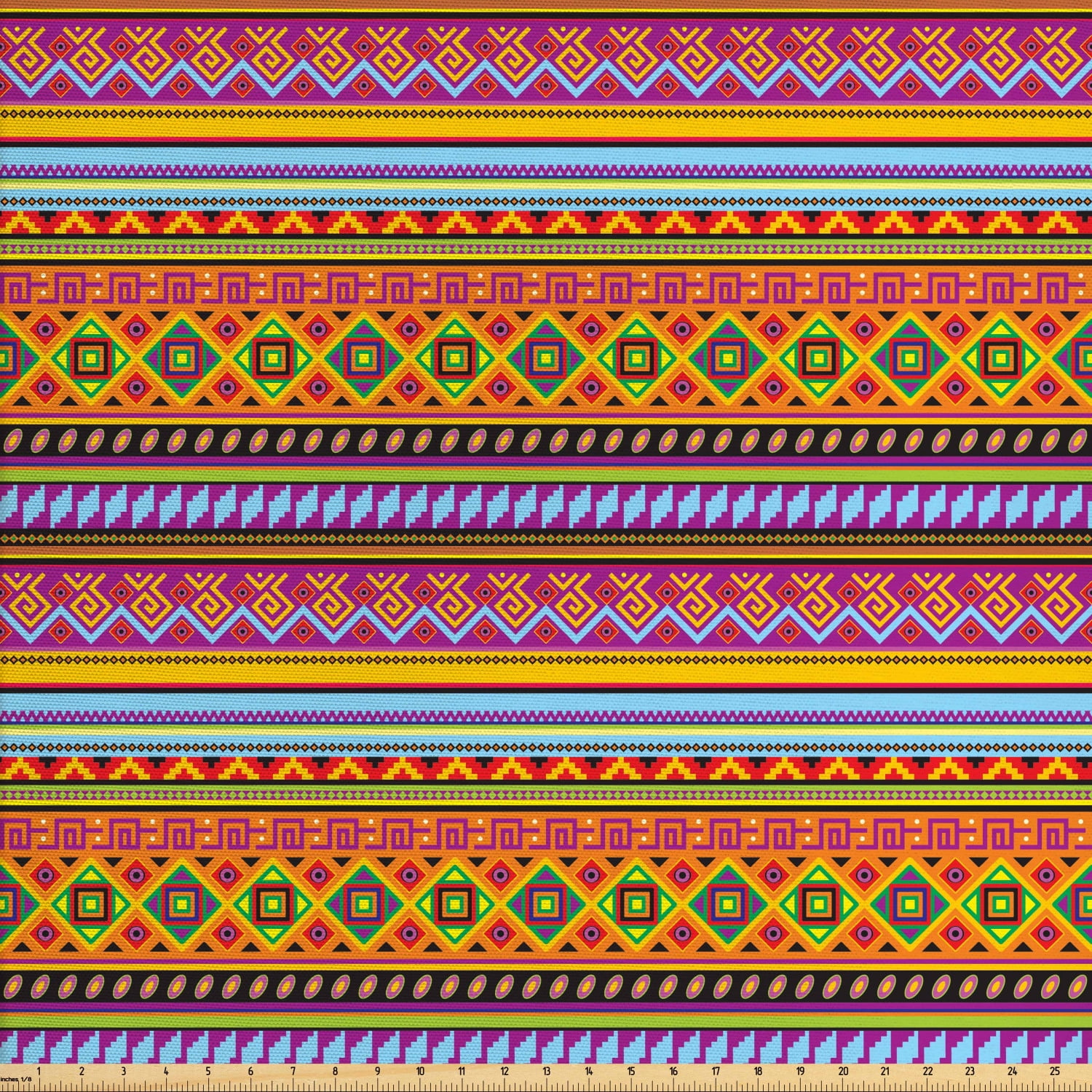
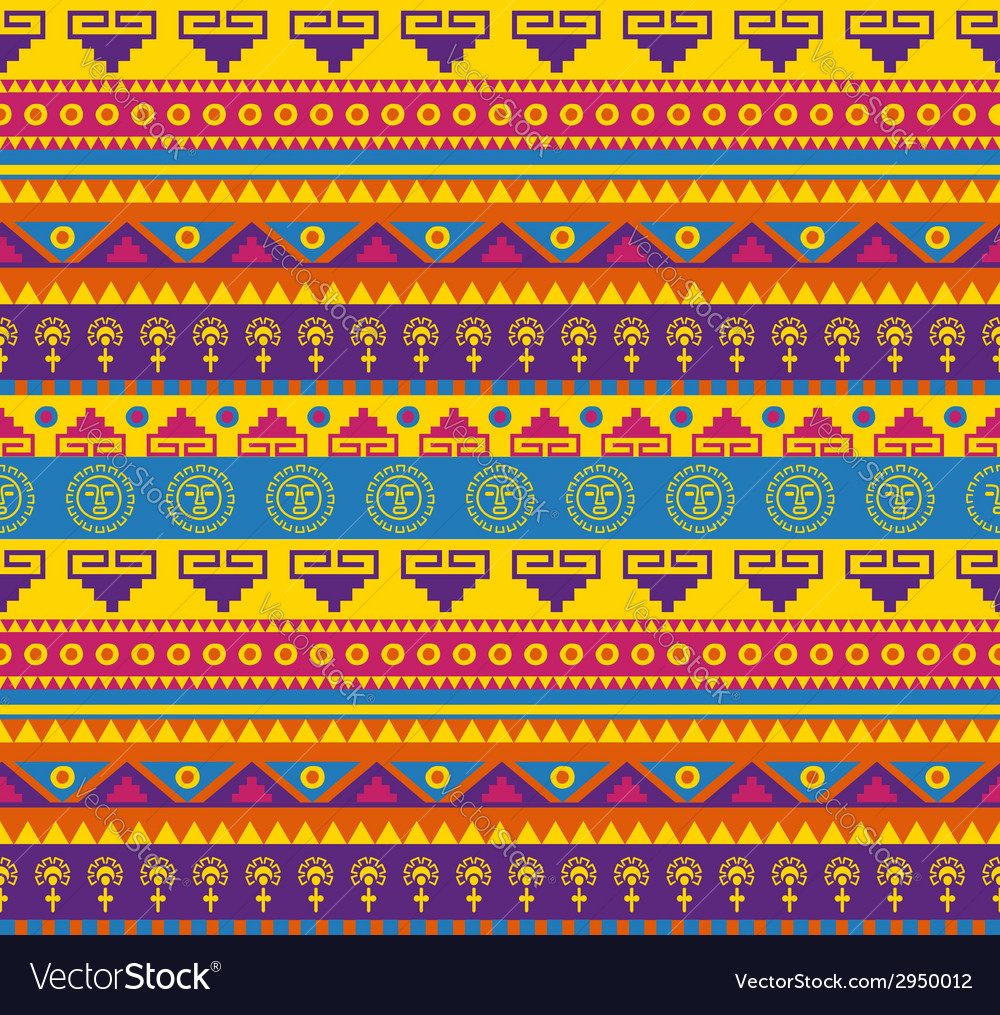
The significance of Mexican traditional textiles and embroidery goes beyond their aesthetic appeal. They are deeply rooted in Mexican culture and have symbolic meanings attached to them. For example, the use of bright colors in Mexican textiles represents the vibrant spirit and energy of the Mexican people. Each color has its own significance, with red symbolizing passion and love, blue representing purity and loyalty, and yellow signifying wealth and prosperity.
Mexican Patterns
With the arrival of the Spanish conquistadors in the 16th century, European influences began to merge with indigenous graphic design traditions in Mexico. The Spanish introduced new printing techniques, such as woodblock printing and typography, which had a profound impact on Mexican visual culture. The fusion of European and indigenous styles resulted in a unique blend of ornate patterns, vibrant colors, and religious symbolism. These ancient civilizations had a deep understanding of aesthetics and had developed sophisticated systems of communication through art. The intricate hieroglyphs and motifs found in their ceramics, textiles, and architecture laid the foundation for the graphic design traditions that would later emerge in Mexico.
Latin Fashion Designers - Latinx Designers to Know in 2023 - Harper's BAZAAR
Latin Fashion Designers - Latinx Designers to Know in 2023.
Posted: Thu, 05 Oct 2023 07:00:00 GMT [source]
You see beautiful patterns practically wherever you look, inspired by this vibrant and exciting North American country. Highly detailed and intricate design is a staple of what we find when it comes to this particular style. Lines intertwining, florals overlapping, the intersections of a variety of elements ornately done—this is a hallmark of this kind of graphic design. Here again, when talking intricate and ornate, the use of skulls certainly can also fall into this category. Skulls because of their association with the Day of the Dead are frequently found throughout all sorts of designs of this nature.
Mexican traditional textiles and embroidery have not only survived but thrived over the centuries due to the resilience and pride of the Mexican people. Despite the influence of Western fashion and globalization, traditional clothing continues to be worn and celebrated in Mexico. It is often seen during festivals, weddings, and other special occasions, where it serves as a symbol of cultural identity and heritage.

Backgrounds in this set include paper picado (handmade cut paper flags), cacti, sombreros, and more. A number of Mexican graphic designers have gained international acclaim for their innovative work. Their unique perspective and cultural background have allowed them to bring a fresh and exciting perspective to the global design scene.
Mexico City–Based Designer Carla Valdivia Nakatani on Her Brand Worldwide Limited and Real Mexican Street Style - Vogue
Mexico City–Based Designer Carla Valdivia Nakatani on Her Brand Worldwide Limited and Real Mexican Street Style.
Posted: Mon, 04 Mar 2019 08:00:00 GMT [source]
The patterns and designs found in Mexican textile art are deeply rooted in the country's history and culture. Many of these patterns have been passed down through generations and hold significant meaning for the communities that create them. For example, the “Ojo de Dios” or “God's Eye” pattern is a symbol of protection and is often used in Mexican textiles.
Update your settings
The anthropomorphized donkey is generally cute, relatable and often quite whimsical. These cactus patterns feature beautifully illustrated prickly pear and cactus elements. The seamless patterns create a chic background ideal for various projects, including wallpaper, t-shirts, wrapping paper, and more. You receive a full-color version and a black-and-white version too. Many Mexican graphic designers draw inspiration from traditional motifs and symbols but give them a contemporary twist.
Fully edit the vector in Adobe Illustrator to fit perfectly into your design. It’s perfect for digital projects, like a vector web banner or blog background, or printed projects, like cards, packaging, and scrapbooking paper. Finally, we have a collaboration between two Mexican designers who comprise the independent graphic design studio Bluetypo. Living in the shadows of all time greats Saul Bass, Shigeo Fukuda, and Paul Rand no easy task—especially for a woman in the often gendered field of work that is graphic design. In the early 20th century, Mexico developed a reputation as an artistic powerhouse, nurturing greats like Frida Kahlo and Diego Rivera. The tradition continues today; we’re showcasing five excellent Mexican designers.
Dia de Los Muertos (the Day of the Dead) is a holiday rooted deep in Mexican culture. It’s a day to remember the lives of loved ones who’ve passed and to welcome their souls with a celebration. This set of seamless Dia de Los Muertos patterns includes a pattern with skulls, maracas, flowers, and other festive elements.



No comments:
Post a Comment